The year has been a fruitful one in the ISIPSK (Sankofa) camp. We continued to deepen relationships with fisheries stakeholders and commenced the sharing of our research findings with stakeholders at local, national and international scales. For most part of the year, our research team continued work behind the scenes preparing, analysing and synthesising data to unearth valuable insights shared by over 800 fisherfolk during the data collection phase from the four coastal regions of Ghana. Read on for a quick recap of our main activities during the year.
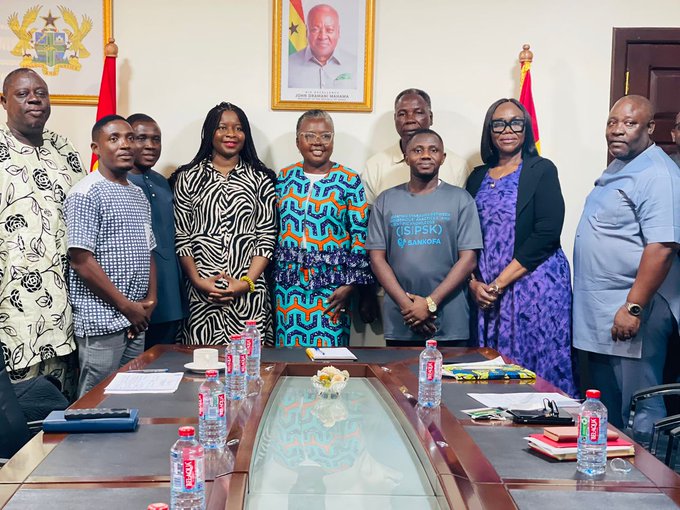
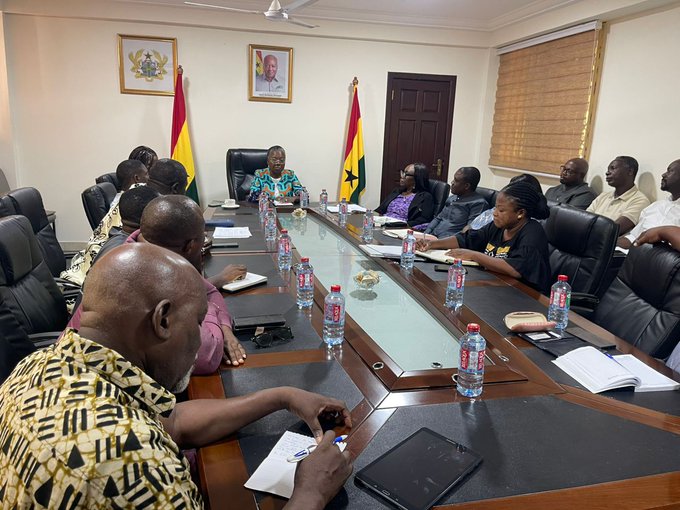
In March, our research team, led by Dr Ifesinachi Okafor-Yarwood and accompanied by representatives from local collaborators – Canoe and Fishing Gear Owners Association of Ghana (CaFGOAG), the Fisheries Commission (FC), and the Fisheries Committee for the West Central Gulf of Guinea (FCWC), paid a working visit to the newly appointed Minster for Fisheries and Aquaculture, Hon. Emelia Arthur. Among other discussion points, the ISIPSK (Sankofa) project was introduced to the Hon. Minister, highlighting the alignment of its second objective with her vision of a fisheries sector where indigenous knowledge is recognised, respected, and integrated into national fisheries policies.
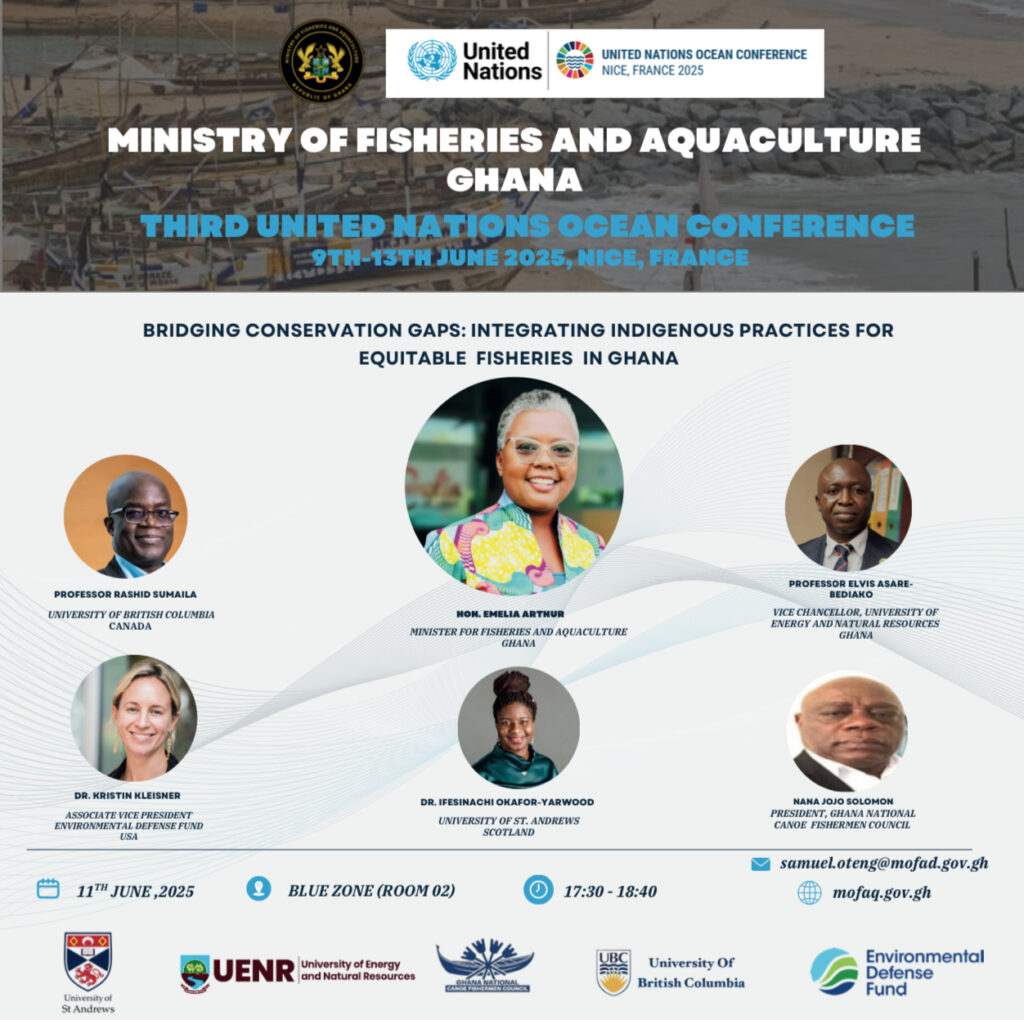

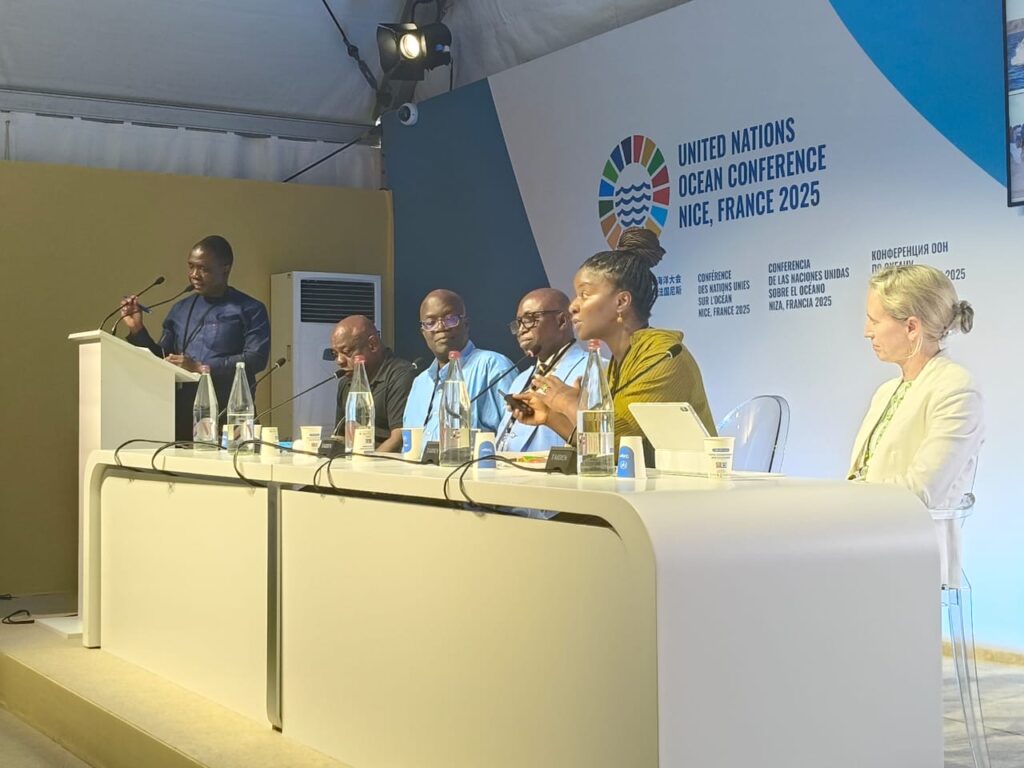
In June, we were invited by Ghana’s Minister for Fisheries and Aquaculture, Hon Emelia Arthur, to co-host a side event at the United Nations Oceans Conference (UNOC) in Nice, France. Representing the project, our research lead, Dr Ifesinachi-Okafor Yarwood spoke at the high-level panel. Shared highlights from Sankofa’s research findings, she emphasised the importance of integrating indigenous practices into fisheries management to bridge the conservation gap for equitable fisheries in Ghana, and beyond.
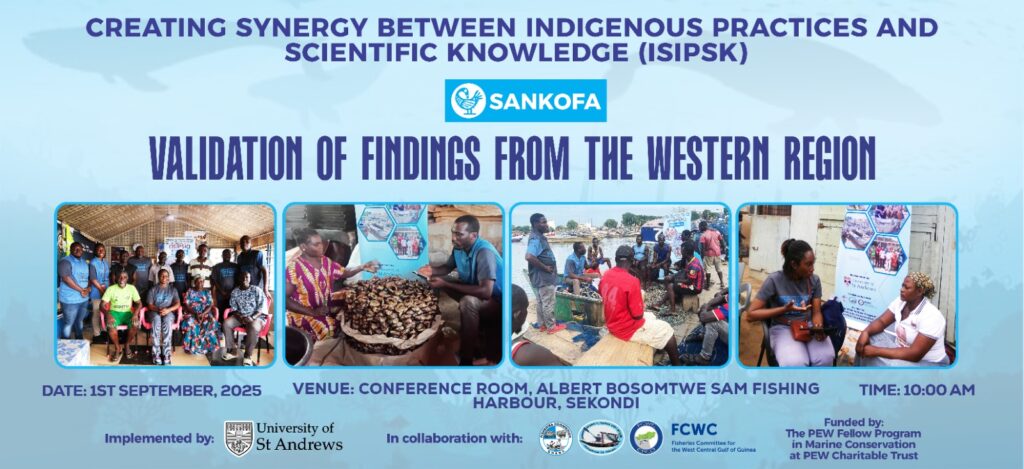
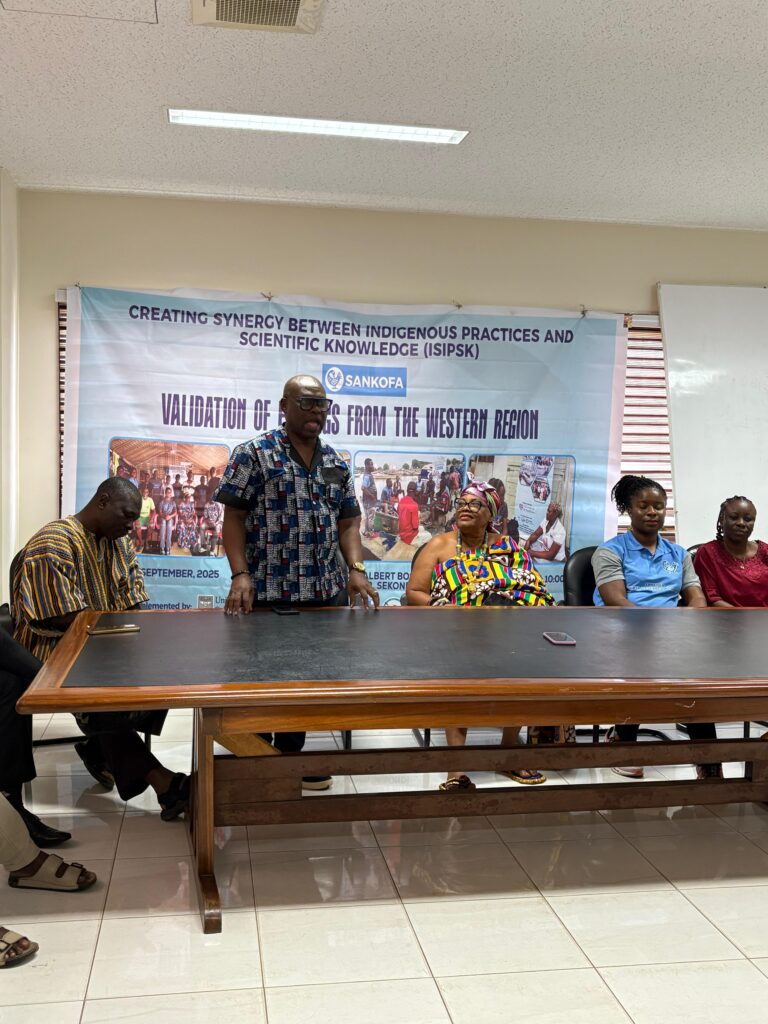
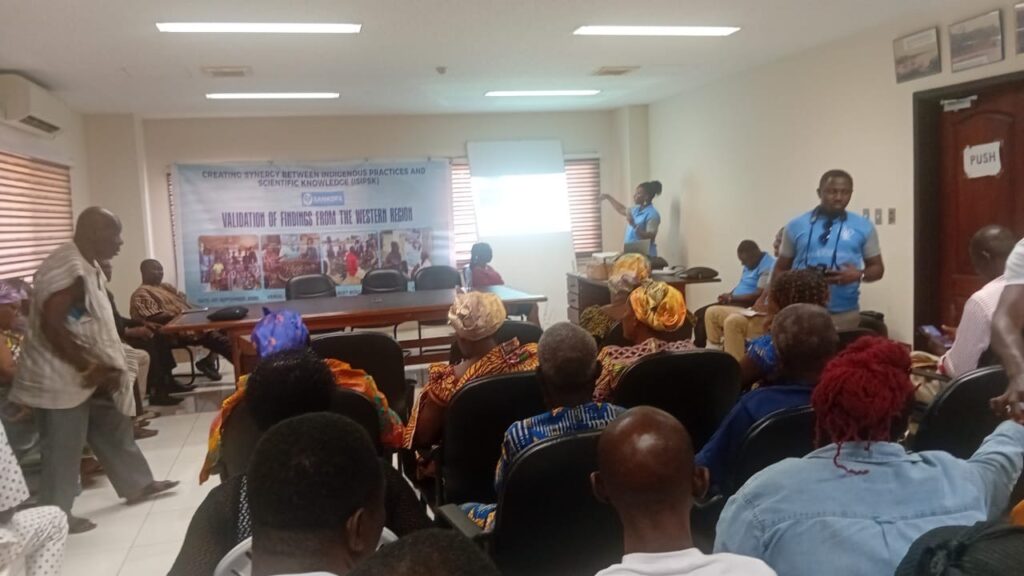

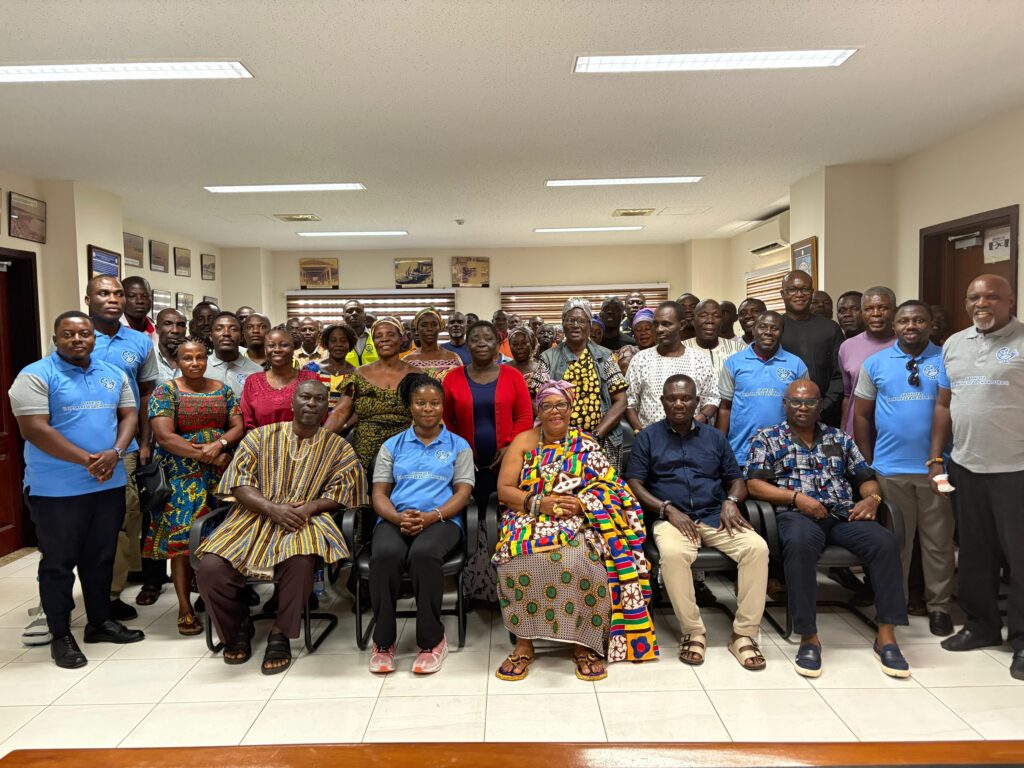
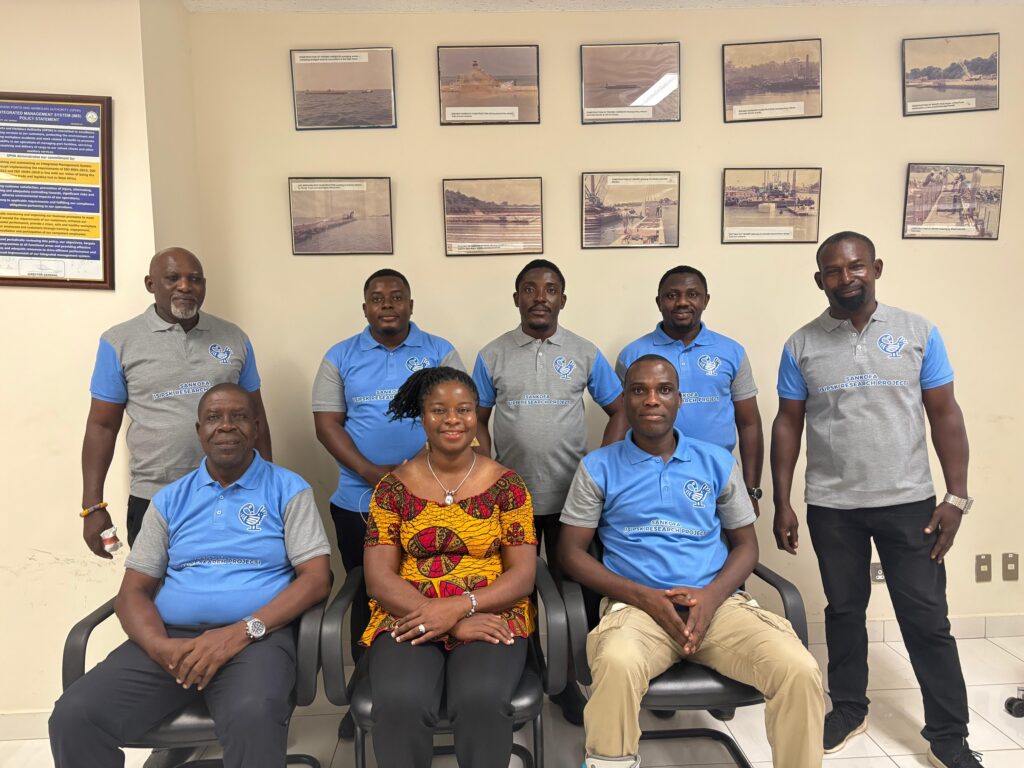
In August, we commenced the regional validation and sharing of research findings with relevant fisheries stakeholders. Our research team, led by Dr Ifesinachi Okafor-Yarwood, engaged over 50 fisherfolk in the Western Region at the Albert Bosomtwi Sam (ABS) fishing harbour in Sekondi where we shared research findings with them for their review, interrogation and validation. Our participants included Chief fishermen, canoe and gear owners, crew members, fisheries service providers, fish processors (predominantly women), the Regional Director of the Fisheries Commission, the Manager of ABS fishing harbour, representatives from collaborating partners and other CSOs within the region. Fisherfolk confirmed that the research findings reflected their realities of depleting fish stocks and impacts of the fishing closed seasons. Considering past experiences, fisherfolk particularly commended the ISIPSK research project for their unique practice of returning to share the research feedback with them.
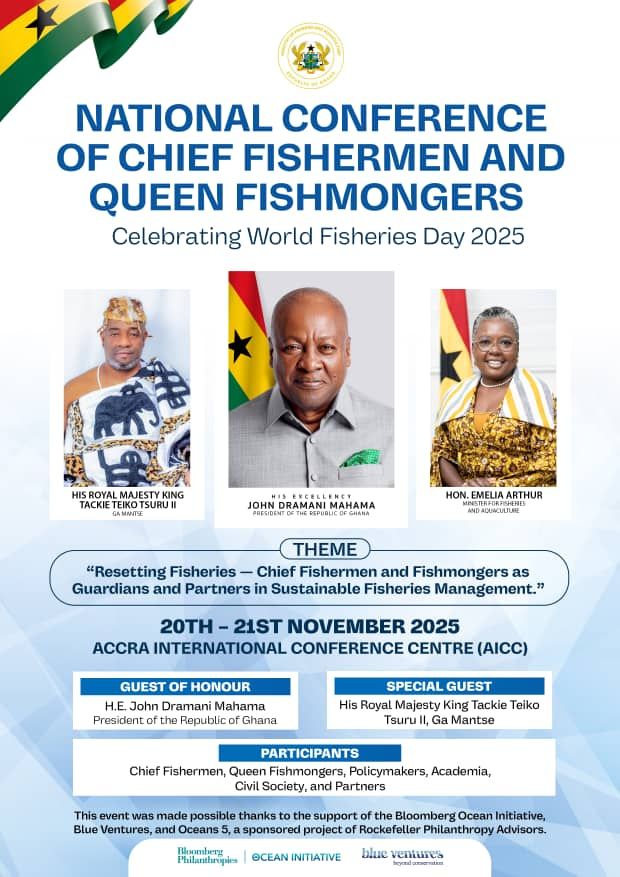


In November, our research lead, represented the project at the National Conference of Chief Fishermen and Queen Fishmongers in Ghana, a landmark event that brought over 500 fisherfolk into direct conversation with policymakers, practitioners and scientists. The event was hosted by the Minister for Fisheries and Aquaculture, Hon. Emelia Arthur, with the Ga Mantse, His Royal Majesty King Tackie Teiko Tsuru II as the Special Guest and Guest of Honour being the President of the Republic of Ghana, H.E John Dramani Mahama. Dr Ifesinachi Okafor-Yarwood, during the panel advocated strongly for the traditional ecological knowledge of fisherfolk to be given legal recognition in the laws, drawing on fisherfolk’s lived experiences from Sankofa project’s findings to back her arguments. On the final day of the event, the President of the republic of Ghana in his address pledged that his government will restore respect and formalise the integration of traditional roles and knowledge into formal co-management structures.
As we look back into the year, we are immensely grateful to every actor in our Sankofa ‘ecosystem’ – our funders, research team, collaborators, fisherfolk and stakeholders – for supporting us to make waves across the fisheries landscape in Africa and globally. Our special appreciation to our phenomenal research lead, Dr Ifesinachi Okafor-Yarwood for leading the team strongly into a bright vision. Sincere thanks to our local collaborators CaFGOAG, FC and FCWC for their continued support and dedication. Appreciation to Ghana’s Minster for Fisheries and Aquaculture for her various initiatives to deliver an inclusive fisheries sector in Ghana.
Recognition to our funders, the Pew Fellowship in Marine Conservation at the Pew Charitable Trusts, and our implementing organisation, the University of St Andrews, whose essential roles made the birthing of this vision possible. Commendations go our dedicated research team, Mr Kwesi Johnson (local consultant and field supervisor), and our Research Assistants: Nana Kweigyah and Kenneth Arthur of CaFGOAG, Emmanuel Tenkorang of the FCWC, Gabriel Mevuta of Friends of the Nation (FoN) and Josephine Asare, PhD researcher at the University of St Andrews supporting on the project. Last but not the least, we appreciate all the fisherfolk and their leaders from the 15 fishing communities across the four coastal regions of Ghana; you continue to share your time and lived experiences and make the vision worthwhile. Thanks to all other fisheries organisations and CSOs for their solidarity in our mission. May the New Year bring greater impact for all.